

Food is the key to a healthy body and mind

Good nutrition is one of the most powerful foundations for overall wellbeing. The foods we eat not only impact our physical health but our mental wellbeing as well. The Australian Dietary Guidelines provide evidence-based recommendations to promote health and reduce the risk of diet-related disease.
Go for plant-based, whole foods
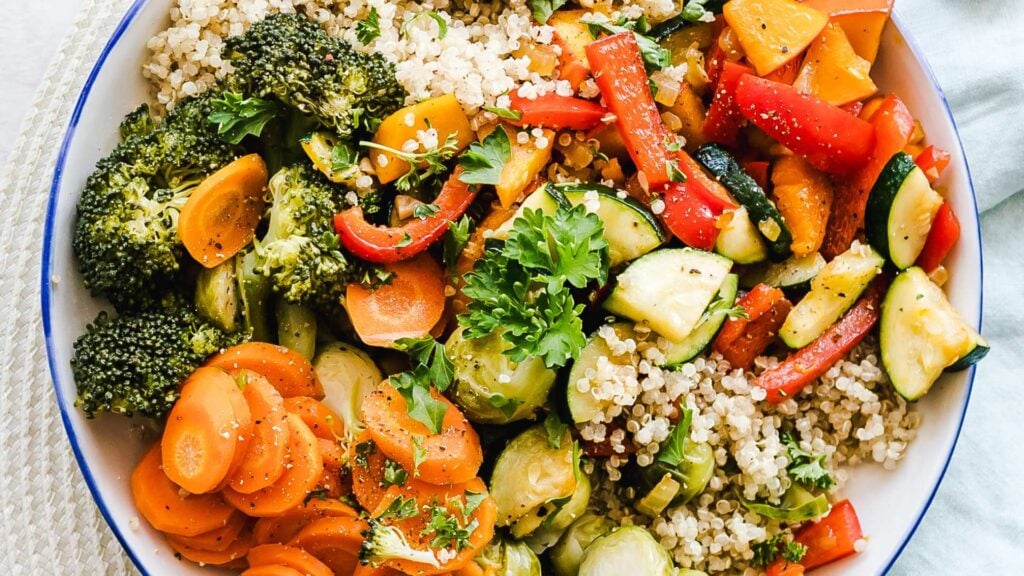
Choosing plant-based foods is one of the most practical and sustainable ways to support your overall health. This doesn’t mean having to be vegetarian or vegan. It just means increasing the proportion of plant-based foods that you have every day. Plant-based foods include vegetables, fruits, legumes (beans, lentils, peas), whole grain cereals, nuts and seeds.
In addition to plant-based foods, think about adding small amounts of lean proteins (like chicken, fish or tofu), and healthy fats (like low-fat dairy products) to your diet as well. Eating a wide range of healthy foods ensures your body receives the full spectrum of vitamins and minerals it needs. And eating a variety of foods is very important for finding enjoyment in what you eat.
Why plant-based?
Plant-based foods are naturally rich in essential nutrients that support nearly every system in the body. They provide fibre, vitamins, minerals, antioxidants and phytonutrients (compounds that play protective roles in long-term health). Think about choosing a variety of plant-based foods and when it comes to vegetables and fruits, look for different colours to add to your day.
Plant-based foods are rich in dietary fibre which is important for a healthy gut microbiome to support gut health. Wholegrain foods such brown rice, wholemeal pasta, grainy bread and oats, are high in fibre and can help lower your cholesterol and improve your heart health.
Plant-based diets are also considered to be ‘anti-inflammatory‘. Chronic inflammation can contribute to a range of health conditions such as heart disease, type 2 diabetes and depression. Along with plant-based foods, Mediterranean-style eating patterns that include healthy fats, such as those found in extra virgin olive oil and oily fish, have shown to be linked to lower levels of inflammation. They are also important heart health.
Choose whole foods
It’s important to focus the majority of your plate on whole foods that are nutrient-rich and minimally processed. This applies to all food groups, including plant-based foods. Highly processed plant-based foods (e.g. ready-made meals, packaged snacks, plant-based sausages and burgers) can be high in added sugars, sodium, and unhealthy fats, so choose whole food options as much as possible. Highly processed foods and discretionary foods, like cakes, biscuits, chips and soft drinks, should only be consumed occasionally and in small amounts.
Think about your drinks too and stay hydrated
It’s important to stay hydrated, particularly in hot weather and when exercising. Good hydration has been shown to be important for mood and performance. Make sure to drink regularly rather than waiting until you feel thirsty. And choose your drinks carefully. Water is the best choice. Avoid sugary drinks and alcohol. Think about carrying a reusable water bottle, which will save money and the environment, and remind you to drink more water throughout the day!

Practical tips to add more plant-based foods in your diet
- Make vegetables, fruits, wholegrains, legumes, nuts and seeds the foundation of your meals
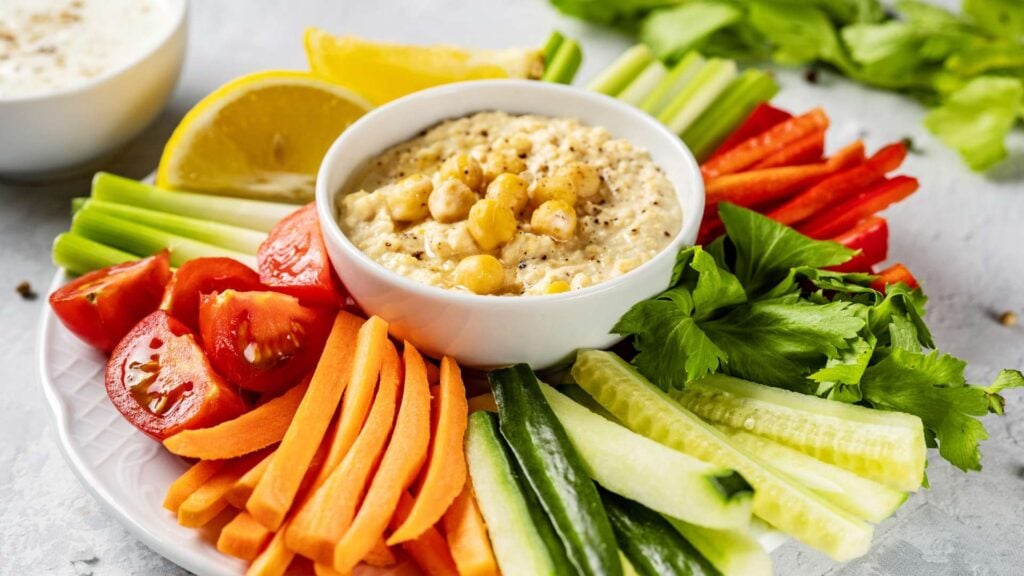
- Try to fill half your plate with vegetables
- Swap out some of the meat in a dish with lentils, chickpeas, black beans, or kidney beans (e.g. in soups, stews, curries, bolognaise, and salads)
- Try one meat-free meal per week and then add more over time
- Choose wholegrain options over refined grains (e.g. wholegrain bread over white bread)
- Keep canned beans, frozen vegetables, and wholegrains on hand for quick, plant-focused meals. Choose low salt canned or frozen options where possible
- Snack on nuts, fruit or vegetables instead of processed snack foods
Sources
- Dietitians Australia. Mental health including anxiety and depression [Internet]. 2023. Available from: https://dietitiansaustralia.org.au/health-advice/mental-health-including-anxiety-and-depression
- National Health and Medical Research Council (NHMRC). Eat for Health: Australian Dietary Guidelines [Internet]. Available from: https://www.eatforhealth.gov.au/guidelines/about-australian-dietary-guidelines
- Health and Wellbeing Queensland. Nutrition tips for vegetarian, vegan and plant-based diets [Internet]. 2026. Available from: https://hw.qld.gov.au/blog/nutrition-tips-for-vegetarian-vegan-and-plant-based-diets/
- Health and Wellbeing Queensland. Eat healthy, enjoy food and save money: 7 tips on how to do it [Internet]. 2025. Available from: https://hw.qld.gov.au/blog/eat-healthy-enjoy-food-and-save-money-7-tips-on-how-to-do-it/
- Health and Wellbeing Queensland. Getting good grains: The whole truth [Internet]. 2024. Available from: https://hw.qld.gov.au/blog/getting-good-grains-the-whole-truth/
- National Heart Foundation of Australia. Heart-healthy eating pattern [Internet]. 2025. Available from: https://www.heartfoundation.org.au/healthy-living/healthy-eating/heart-healthy-eating-pattern
- Mahdavi-Roshan M, Salari A, Ghaffari S. The effect of whole grains on cardiovascular risk factors. Diabetol Metab Syndr. 2020;12(1):50. Available from: https://link.springer.com/article/10.1186/s13098-020-00592-6
- Health and Wellbeing Queensland. 7 alternatives to salt to make food taste great [Internet]. 2024. Available from: https://hw.qld.gov.au/blog/7-alternatives-to-salt-to-make-food-taste-great/
- Health and Wellbeing Queensland. Everything you need to know about dehydration and how to avoid it [Internet]. 2024. Available from: https://hw.qld.gov.au/blog/everything-you-need-to-know-about-dehydration-and-how-to-avoid-it/
- Masento NA, Golightly M, Field DT, Butler LT, van Reekum CM. Effects of hydration status on cognitive performance and mood. Br J Nutr. 2014;111(10):1841‑1852. Available from: https://doi.org/10.1017/S0007114513004455
Acknowledgement
Content developed by Health and Wellbeing Queensland in partnership with the University of Queensland’s Health and Wellbeing Centre for Research Innovation.