

5 common healthy eating hurdles and how to overcome them

Healthy eating is a long-term goal worth having. But everything worthwhile comes with a hurdle or two. Knowing what barriers you might face and having a strategy in place can help you stick with your healthy eating goals and get back on track when you need to. Here are 5 common healthy eating hurdles and how to overcome them.
1. I’m really busy
Even if you have a packed schedule, you don’t need to buy into the perception that healthy food is time consuming food. If you’re time poor, there are plenty of easy ways to get the nutrition you need without spending too much time.
Have a go-to list of healthy snacks available at home, including quick grab-and-go options. Fruit, yoghurt, trail mix, dried fruit, or cheese and crackers are all great options. Cut up some veggies ahead of time, like carrot, capsicum, celery and green beans, and have them available in the fridge with some hummus or guacamole for when you’re craving something crunchy, yet healthy.
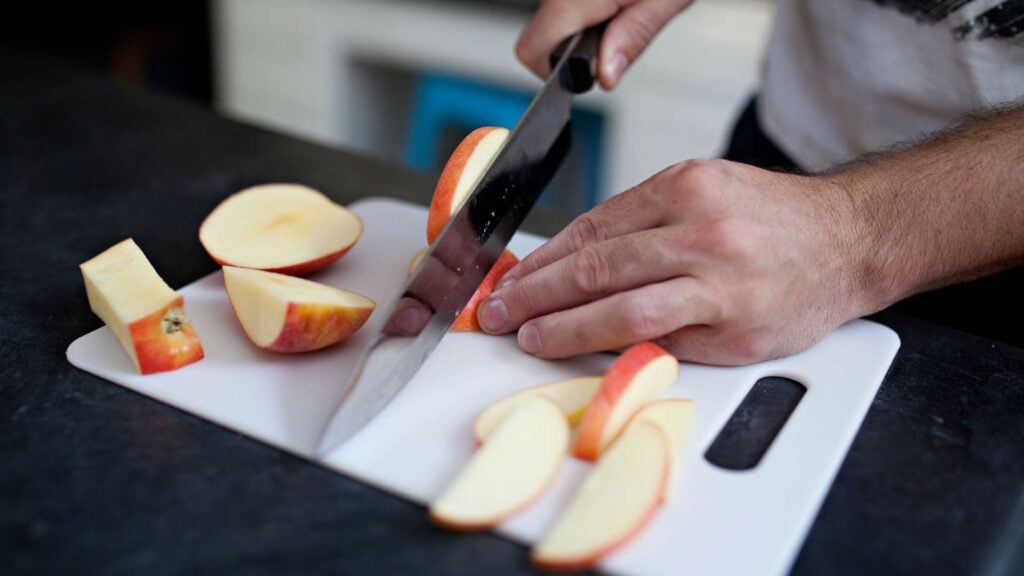
Meal plans are a great way to remove the ‘what will I have?’ moments from the supermarket and kitchen. All those minutes add up. Try out our family meal planner to get you started. Have a set of go-to healthy recipes that you can draw on and rotate throughout the week. Even better if they are flexible enough to accommodate whatever you have in the fridge or pantry that week. Curries, stir-fries, fried rice, pasta, soups and casseroles are all great options.
Keep it simple. Healthy eating doesn’t have to mean complicated eating. Have a couple of meal ideas that can be made in under 5 minutes, for those days when you just can’t be bothered cooking. For example, baked beans on toast, a veggie loaded scrambled eggs, or a pre-made bag of salad with tinned tuna. These are healthy options that require minimal brain power.
Leftovers. Cooking for multiple people takes just as long as cooking for 1 or 2 people, so double the recipe and freeze half. Leftovers are a life saver mid-week when you’re short on time. They also make a no-fuss lunch the next day.
2. Eating healthy is more expensive
It’s a common misconception that healthy food is more expensive than processed food. However, research suggests that vegetables are much cheaper than common snacks, costing $0.70 per serve compared to common snacks like chips and muesli bars, which often cost $0.84 or more.
Understand the pricing. Much of the confusion about healthy eating comes from the fact that fresh food is often priced per kilo and processed food is priced per serve.
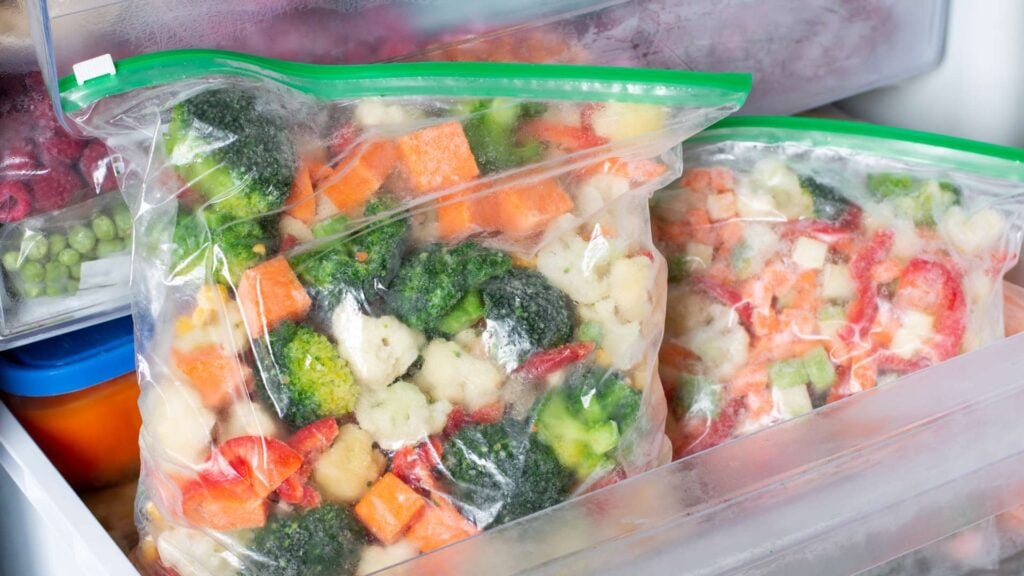
Try to buy fresh vegetables that are in-season. This is when they are in abundance and therefore the cheapest. Buy vegetables in bulk and freeze what you can’t eat. For example, buying a whole cauliflower is often cheaper than half a cauliflower on a per kilo basis. Cut some up to freeze for a stir-fry or homemade soup later. Frozen or tinned vegetables are also excellent options (and may be even cheaper).
Meal plans are great for deciphering what to buy at the supermarket. Knowing what ingredients you’ll need for the week means less food wastage and money going in the bin.
3. I eat out a lot
Eating out regularly doesn’t mean you can’t commit to healthy eating. These tips can help you make healthy decisions in the moment:
- Pre-eat. A healthy snack before you go out can stop you from over-ordering.
- Double entree. If you really like a starter and main, why not get 2 entrees instead to keep your portion size down?
- Vegetables. Select a main meal that contains plenty of vegetables or order some on the side. Vegetables will fill you up and provide you with lots of vitamins and minerals.
- Choose lean protein. Avoid coated, crumbed or deep-fried meat, chicken or fish. Choose grilled, steamed, pan-fried, poached, baked or roasted options instead.
- Slow down. It can take your brain up to 20 minutes to register it’s full. Eat slowly and you will probably find you eat less. Try putting your cutlery down between mouthfuls when you’re chewing, or sip water in between bites. If you’re eating out with a friend, enjoy some conversation as you eat to slow down the process.

4. I eat when I’m bored
Ah, this is a common one! A slow day at work, procrastinating, or just plain bored… there are all sorts of triggers. The trick is not using food to deal with them. Here are some healthy alternatives:
- Physical activity. Movement is a healthy way to cope with stress, boredom or emotional upsets. Studies have shown that regular physical activity can help lift your mood too. Choose something that you enjoy doing and makes you feel good. It could be as simple as a quick 10-minute walk listening to your favourite music.
- Remove unhealthy temptations. Remove unhealthy foods from the home or office. If you don’t have junk food close at hand, you’re much less likely to reach for it.
- Mindful eating. Try to eat without distractions like your phone or the TV. This allows you to listen to your body’s cues of when it feels full.
5. Bad influences all around
The environment and people around you can encourage you to either eat healthy or unhealthily. Here are some ways to tip it in your favour.
- Choose healthier restaurants. Peer pressure is much less powerful when there are less unhealthy options on the menu.
- Pre-select your meal. Hesitation when choosing a meal is an invitation for your dining partner to sway you. If you’re eating out, look up the menu online beforehand and make your decision.
- Explain your goals. Explain to your dining partner that you’re trying to eat heathier and ask for their support. This might mean not sharing a dish, skipping dessert, or opting for water instead of a shared bottle of wine.
- Invite them to your place. When you control the menu, you control the ingredients and portion size of each meal. It’s also a chance to show off all the amazing healthy recipes you’ve been making!
- Catch up over something other than food. Suggest going for a walk or going to an experience, like an escape room or play instead of a café.
If you have a moment of weakness, don’t dwell on it – tomorrow is a new day! A positive attitude can go a long way to helping you achieve your long-term goals. Start with small steps, like making 1-2 healthy food swaps each day, and slowly build from there. As your body and mind start to feel better from all the nutritional goodness you’re getting, sticking to your healthy eating goals will get easier too!
Sources
- Hartley, A. (2025). Only 55 per cent of people believe it’s easy to access affordable, healthy food, according to new Queensland data. ABC News online. Published 2 August 2025. Accessed 10 February 2026. https://www.abc.net.au/news/2025-08-02/true-cost-of-eating-healthy-for-australians/105492202
- HealthyLife and Woolworths Group. Living Healthy Report 2025. Accessed 10 February 2026. https://www.healthylife.com.au/health-report-2025
- Health Direct. (2024). Exercise and mental health. Updated December 20204. Accessed 10 February 2026. https://www.healthdirect.gov.au/exercise-and-mental-health
- Mental Health Foundation. (2022). Physical health and mental health. Updated 18 February 2022. Accessed 10 February 2026. https://www.mentalhealth.org.uk/explore-mental-health/a-z-topics/physical-health-and-mental-health
Acknowledgement
Content developed by Health and Wellbeing Queensland’s team of expert nutritionists, dietitians, and exercise physiologists.