

Teaching your toddler healthy eating habits
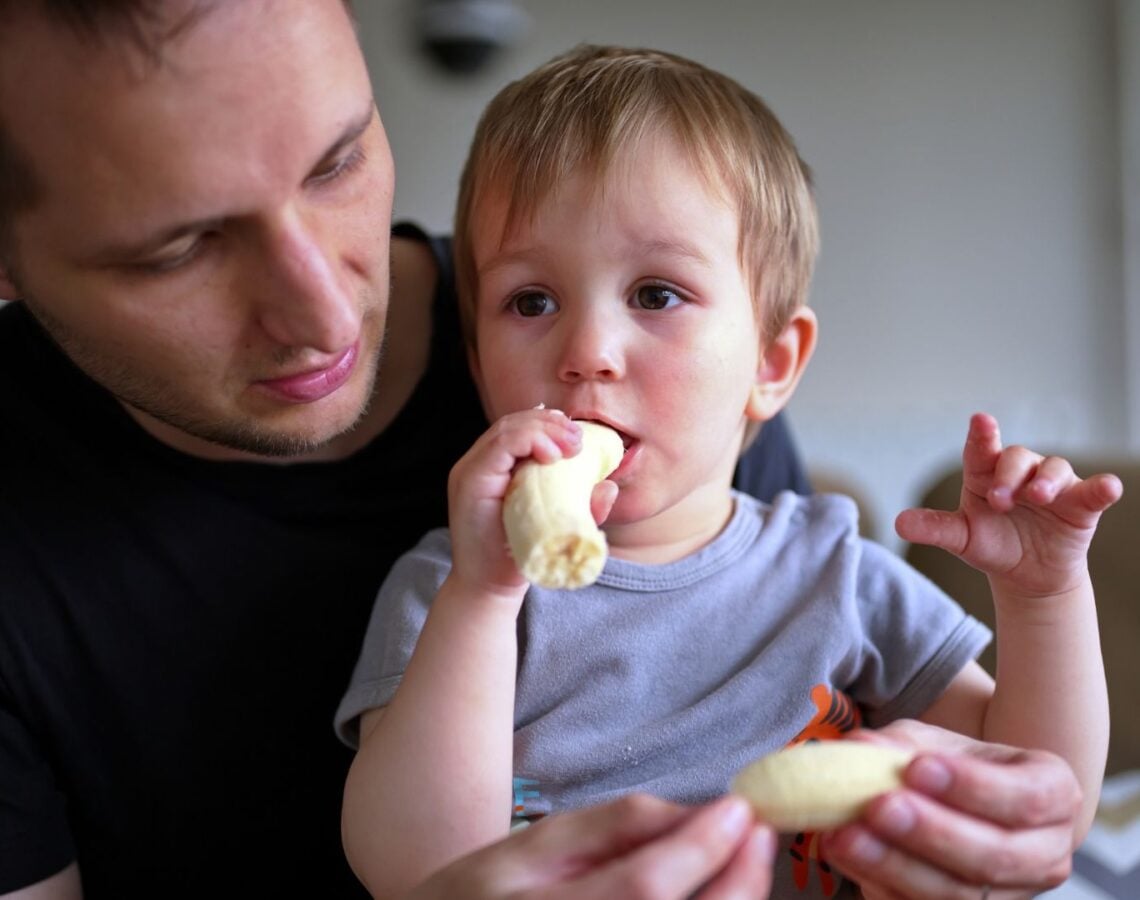
Toddlerhood is a time when children learn about new foods and lifelong eating habits are established. These habits will enable them to grow up to enjoy a range of healthy foods and drinks.
As your child moves from infancy to toddlerhood, their growth rate steadily slows down. A toddler’s food intake may also slow down. A toddler will also become more independent, and they may start saying no to some foods and want to make their own choices.
This is typical toddler behaviour. As a parent, you can help your child learn to enjoy a wide range of foods from all the food groups by offering variety throughout the day. Toddlers have well developed signals for hunger and fullness and are able to decide how much and, whether they want to eat at all.
Tips for developing healthy eating habits
- Role model healthy eating by choosing to eat a wide variety of foods from the food groups and participating in regular meals – your toddler will pick up good habits by watching you. Eating together provides a great opportunity for family bonding.
- Offer foods to your toddler at regular times of the day, with 3 main meals and a small snack in between. Allow at least 2-3 hours between meals and snacks to allow you toddler time to get hungry.
- Offer small serves. Your toddler will ask for more if they are still hungry – don’t force them to eat if they don’t want to.
- Set aside 20-30 minutes for main meals, 10-20 minutes for snacks, and avoid distractions like TV, toys or games during mealtimes. Talk to your child about the foods that are being offered (e.g. colours, shapes, temperature).
- Offer a range of foods from the food groups and change up the taste, texture, and appearance to add variety.
- Allow your toddler to have some choice but keep their choices simple by offering 2-3 healthy food options.
- Limit biscuits, soft drinks, lollies, cordial, flavoured milk and juices as these are high in sugar and may reduce their appetite for healthier foods.
Refusing to try new foods is common and these may need to be offered 10 times or more before they are accepted. Find out more tips for overcoming fussy eating.
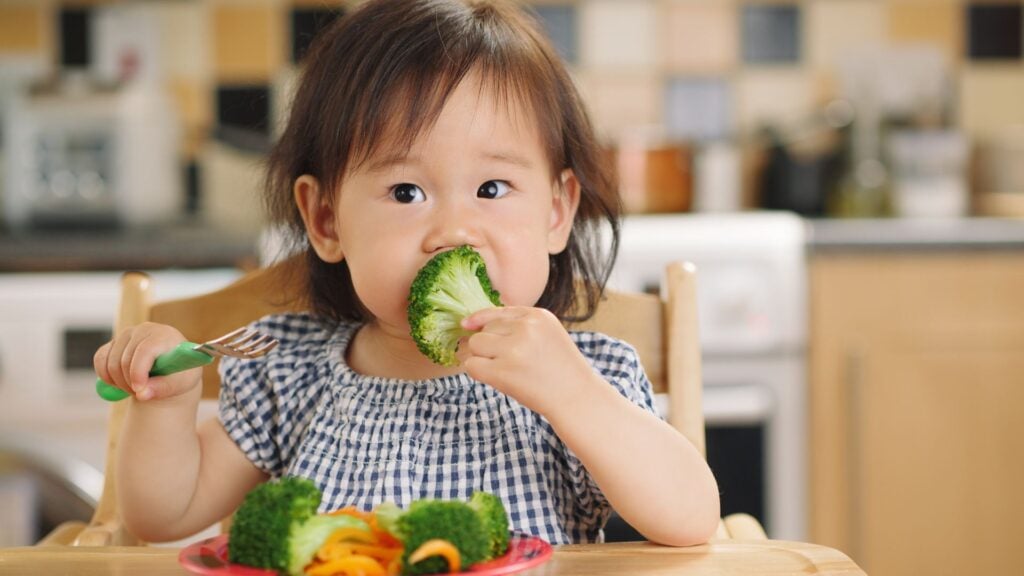
Food your toddler needs
The most common nutritional deficiency in childhood, iron deficiency anaemia, can result from toddlers filling up on large volumes of milk or juices, which don’t contain any iron.
Toddlers require no more than 1.5 serves of dairy per day. One serve is a cup of milk (250mL), 2 slices of cheese (40g), or ¾ cup of yoghurt (200g). They should also avoid fruit juice1. Water is the main drink that your toddler requires2. Water is freely available, contains no sugar, kilojoules, or artificial colours or flavours, and most children will enjoy water if it is offered from an early age.
Include iron-rich foods in your child’s diet, such as:
- soft meats
- eggs
- tofu
- beans and legumes
- iron-fortified cereals
- wholegrain breads and cereals
- green leafy vegetables
Small portions are less overwhelming to toddlers, while bigger portions may encourage overeating.
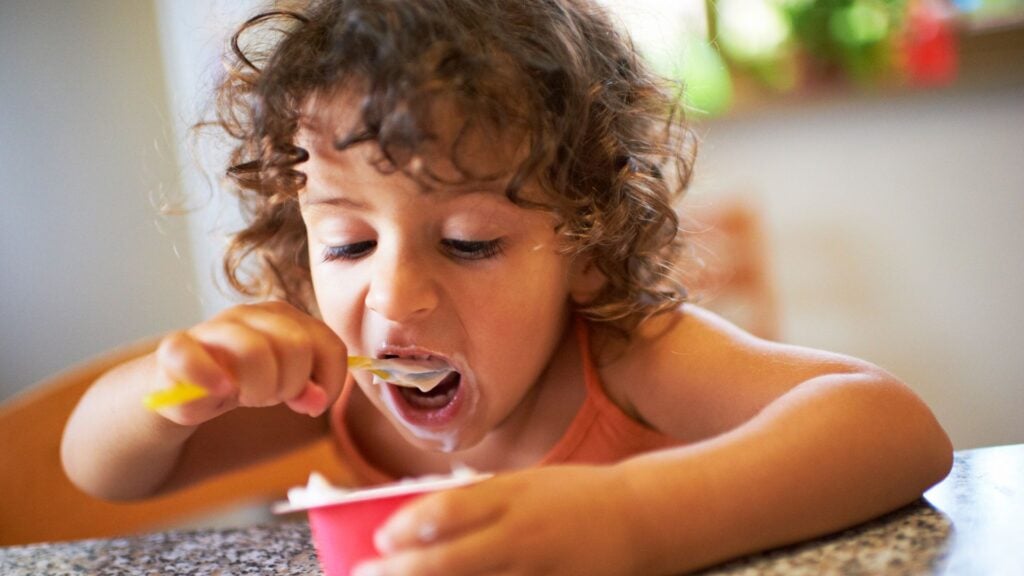
Healthy snacks for toddlers
It’s important that toddlers and young children are offered small, frequent snacks throughout the day. Toddlers have small stomachs and therefore can’t eat enough food at main meals to provide them with all the energy and nutrients they need. It is a good idea to allow at least a couple of hours between meals and snacks to allow toddlers to get hungry.
Foods high in sugar and unhealthy fats (like cakes, biscuits, lollies and sugary drinks) should be limited and healthy snacks offered instead. These include:
- Fresh fruit slices or canned fruits in natural juice
- Soft vegetables like steamed sweet potatoes or carrot sticks, cucumber, capsicum – you could add a dip on the side
- Small tub of yoghurt
- Rice cakes or pikelets with a thin spread of cream cheese or avocado
- Sandwiches with natural peanut butter, cheese or vegemite
- Cheese sticks or cheese slices
- Baked beans on toast
- Plain milk – choose full cream milk for children under 2, and reduced-fat milk from 2 years onward
- Fruit smoothie – milk blended with fresh fruits
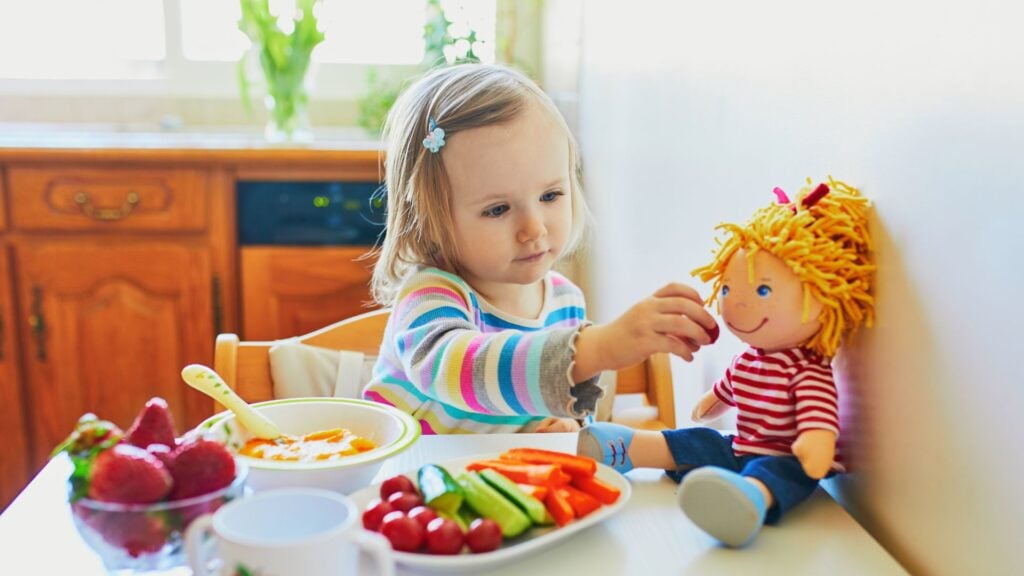
Play, exploration, and positive language
Most learning for babies and toddlers happens through play and exploration. Toddlers can become more familiar and comfortable with healthy food through play. Encourage exploration with these ideas:
- Read books with your toddler that have bright pictures about eating and trying new foods.
- Pretend play using a play kitchen, fruit and vegetable toys, prepare meals for a teddy bear picnic or pretend to do the grocery shopping.
- Sensory play with foods outside of mealtimes, such as using hands to find toys in a bucket of rice, or potato stamping.
- Encourage supervised self-feeding with utensils or finger feeding – it can be a little messy but it’s an important part of learning.
- Talk about colours, shapes, temperature of foods which are offered at meals – this can help your toddler interact and focus on learning about the food.
- Use neutral language when describing taste. For example, a big taste or a small taste (not yuck or yum).
Allow toddlers to try new foods in their own time. Continue presenting foods regularly, and in small amounts. This will help your toddler to feel comfortable around the new foods.

Try to make every interaction with food a positive one. It takes lots of practice touching and smelling foods before a toddler may put the food in their mouth. These are positive steps in learning how to eat and enjoy food.
Further reading
5 ways to get kids to enjoy more vegetables
Getting kids excited about healthy food
How to establish healthy eating habits for kids
Sources
- Eat for Health. (2026). Recommended number of serves for children, adolescents and toddlers. Accessed 31 March 2026. https://www.eatforhealth.gov.au/food-essentials/how-much-do-we-need-each-day/recommended-number-serves-children-adolescents-and-toddlers
- Raising Children Network. (2024). Healthy drinks for kids and teenagers. Last updated 9 February 2024. Accessed 31 March 2026. https://raisingchildren.net.au/toddlers/nutrition-fitness/healthy-eating-habits/healthy-drinks
Acknowledgment
Content developed by Health and Wellbeing Queensland’s team of expert nutritionists, dietitians, and exercise physiologists.