

Healthy and easy lunchbox ideas for tradies
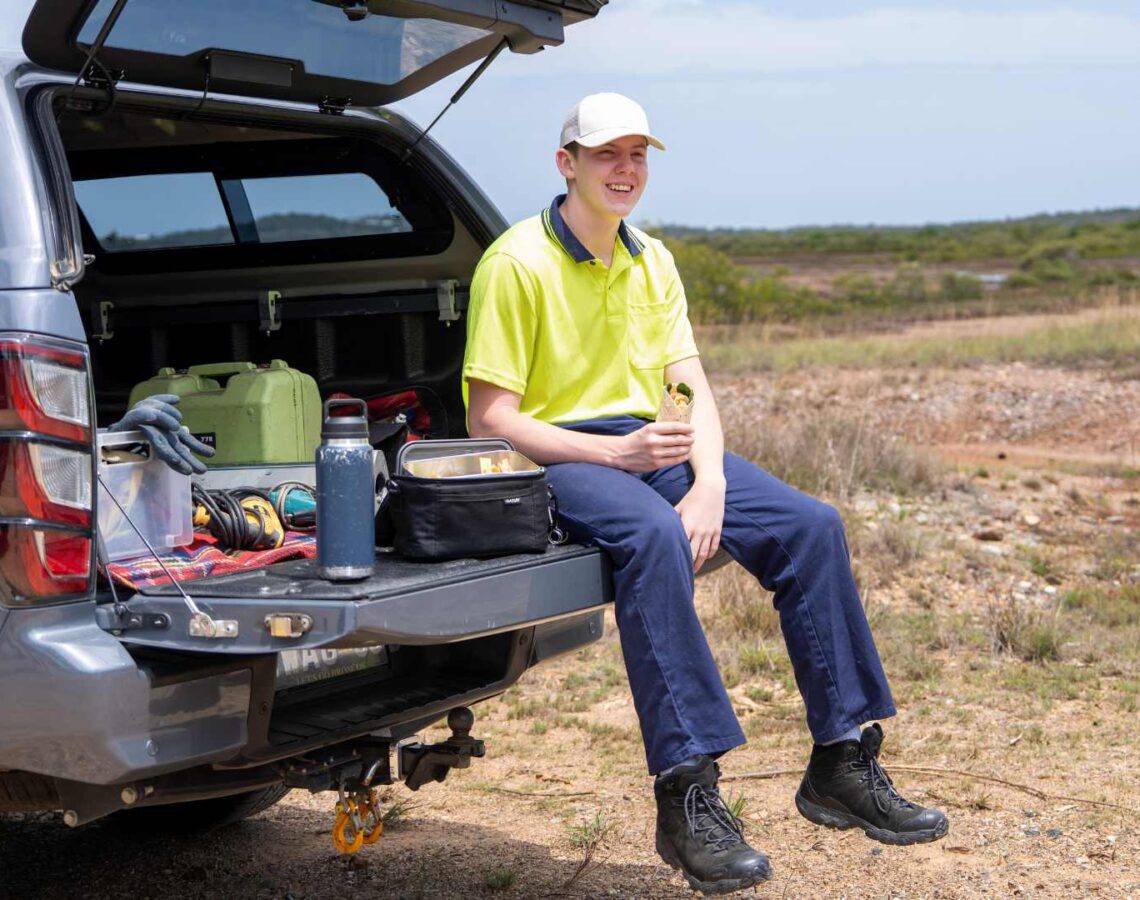
Long days on site, early starts, and limited access to kitchens or power can make eating well feel like a real challenge for tradies and other on-the-go workers. Grabbing whatever’s quickest or closest is tempting but relying on takeaway or sugary snacks can contribute to dips in energy, poor concentration, and feeling worn out before knock-off. The good news? With a bit of planning and some smart food swaps, your lunchbox can be both healthy and easy – and fuel you for the whole day.
Why healthy eating matters on the job
Physical work demands fuel. Skipping meals or relying on highly processed foods will not sustain your energy across a long physical workday, leaving you tired and flat. Eating a balanced diet rich in nutritious foods helps maintain energy, supports muscle recovery, and keeps your focus sharp – especially important when safety matters on the tools or behind the wheel. Eating a balanced diet from a variety of healthy foods provides the energy, protein, essential fats, vitamins and minerals our bodies need to function properly.
Good carbohydrates and protein for all-day energy
Carbohydrates often get a bad rap, but the right kind of carbs are essential for those who work physically demanding days. Carbohydrates are a primary fuel source for muscles and the brain, supplying the energy needed to keep going. Protein supports muscle repair and maintenance – important when your body is under daily physical stress.
The Australian Dietary Guidelines recommend eating grain foods, mostly wholegrain and/or high fibre varieties, as your carbohydrate source, and lean meats or alternatives like eggs, legumes, tofu and dairy for protein.
Here’s why that matters for tradies:
- Good quality carbohydrates (wholegrains, brown rice, oats, barley) break down more slowly, keeping your blood sugar steady and energy sustained longer than refined carbs, like white bread and sugary cereals.
- Protein-rich foods help repair muscle tissue and keep you feeling full until your next break.

Lunchbox ideas that don’t need a kitchen
To avoid the unhealthy temptations of the local takeaway, it’s best to be prepared ahead of time with a healthy packed lunch. But after a long workday, who wants to spend a long-time cooking and food prepping?
Here are some lunchbox options that are quick to prepare the night before or easy to assemble in the morning, and travel well on-the-go:
- Wholegrain wraps or sandwiches with roast chicken, tinned tuna, boiled eggs, hummus and salad.
- Cold pasta or quinoa salads with lean protein (think chicken, chickpeas or tuna) and plenty of veggies.
- Dinner leftovers, such as stir-fry with rice, or roasted veggies with lean meat, eaten cold the next day.
- Snack boxes with cheese, boiled eggs, wholegrain crackers, raw veggies and fruit.
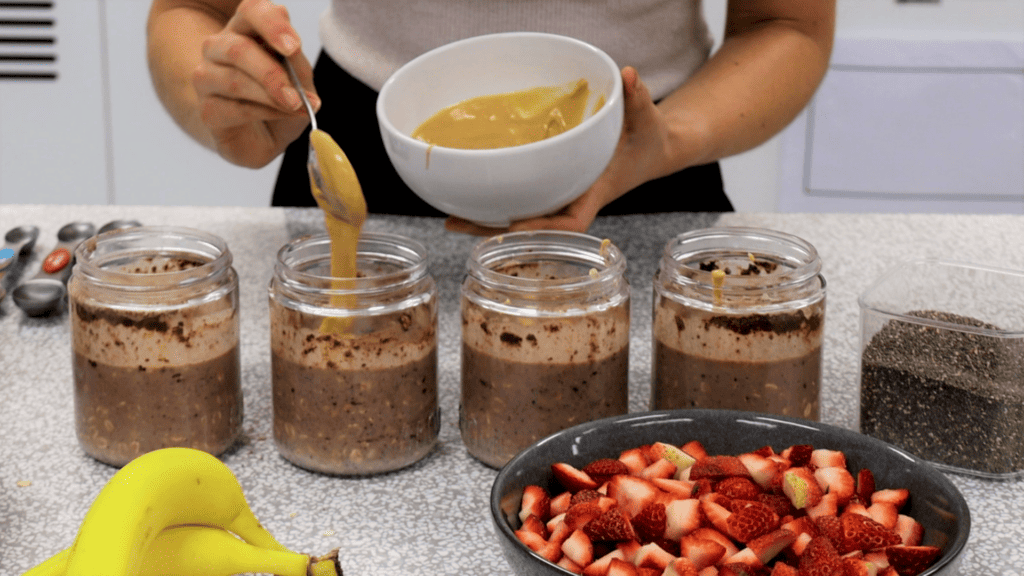
- Overnight oats with yoghurt, berries and seeds—for breakfast or a hearty morning snack.
Snacks that travel well include bananas or apples, nuts or trail mix (with minimal added sugar), and homemade protein balls.
Simple ingredient swaps to boost nutrition
You don’t need to overhaul every meal – smart food swaps make a big difference:
- Choose wholegrain bread instead of white bread
- Replace sugary drinks with flavoured soda water or plain water
- Use plain yoghurt and lemon juice instead of creamy salad dressings
- Add extra veggies, like grated carrot, canned beetroot, or sliced capsicum to wraps or sandwiches
These small changes help stabilise blood sugar, increase fibre intake, improve satiety, and reduce unhealthy fats and sugars – supporting better energy levels throughout the day.
Storing food safely in hot weather
No matter what time of the year it is, Queensland can get hot during the day, making food safety important. Food is best kept out of the ‘temperature danger zone‘ (between 5°C and 60°C). This is where bacteria can multiply quickly, increasing the risk of foodborne illness.
To keep your lunch safe:
- Pack perishable items (like dairy, meats or cooked rice/pasta) in a cooler or insulated lunch bag with ice packs
- Swap ice bricks for frozen water bottles – they’ll stay colder longer and double as a drink once they melt
- Keep your lunchbox out of direct sunlight and avoid leaving it in a hot vehicle
A little effort at home goes a long way on site
Eating well as a tradie or while on-the-go doesn’t have to be complicated or time-consuming. By focusing on nourishing foods high in quality carbohydrates and protein, and thoughtful meal prep you’ll be able to fuel your body properly – even without a kitchen or microwave.
Sources
- NHMRC. Building a Healthy Australia (2019). Nutrition. Accessed 6 January, 2025. https://www.nhmrc.gov.au/health-advice/public-health/nutrition
- Workplace Health and Safety Queensland. (2020). Shifting Nutrition. Accessed 6 January, 2025. https://www.worksafe.qld.gov.au/__data/assets/pdf_file/0018/16416/shifting-nutrition.pdf
- National Health and Medical Research Council and the Department of Health, Disability and Aging. (2026). Australian dietary guidelines. Accessed 13 January, 2026.https://www.eatforhealth.gov.au/
- Food Safety Information Council. (2025). Temperature Danger Zone. Accessed 23 December, 2025. https://www.foodsafety.asn.au/topic/temperature-danger-zone/
Acknowledgment
Content developed by Health and Wellbeing Queensland’s team of expert nutritionists, dietitians, and exercise physiologists.