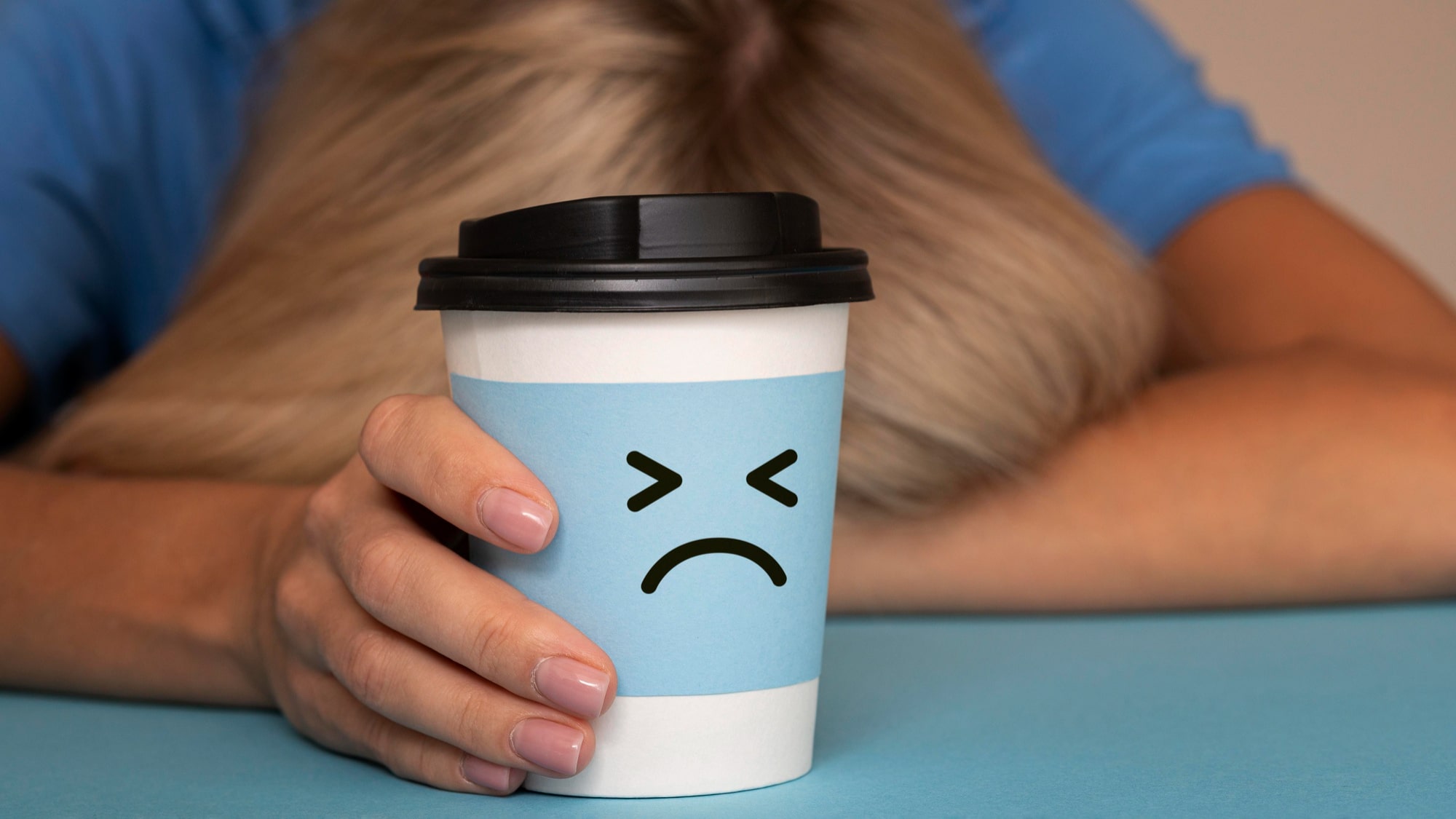
While the effects of caffeine on preconception health are not fully understood, it is recommended that intake be limited to less than 200 mg per day. High levels of caffeine consumption may affect fertility and, during pregnancy, increase the risk of miscarriage.
Caffeine is a stimulant found in coffee, tea, matcha, energy drinks, some soft drinks, chocolate, certain painkillers, weight-loss supplements, and pre- or post-workout drinks or powders.
For reference, 200 mg of caffeine is approximately equivalent to 1–2 standard cups of coffee or 4–8 cups of tea. It is important to check labels on energy drinks, soft drinks, and matcha products, as caffeine content can vary. Energy drinks may also contain additional stimulants that can amplify the effects of caffeine.