

How to cater for different dietary needs this Christmas
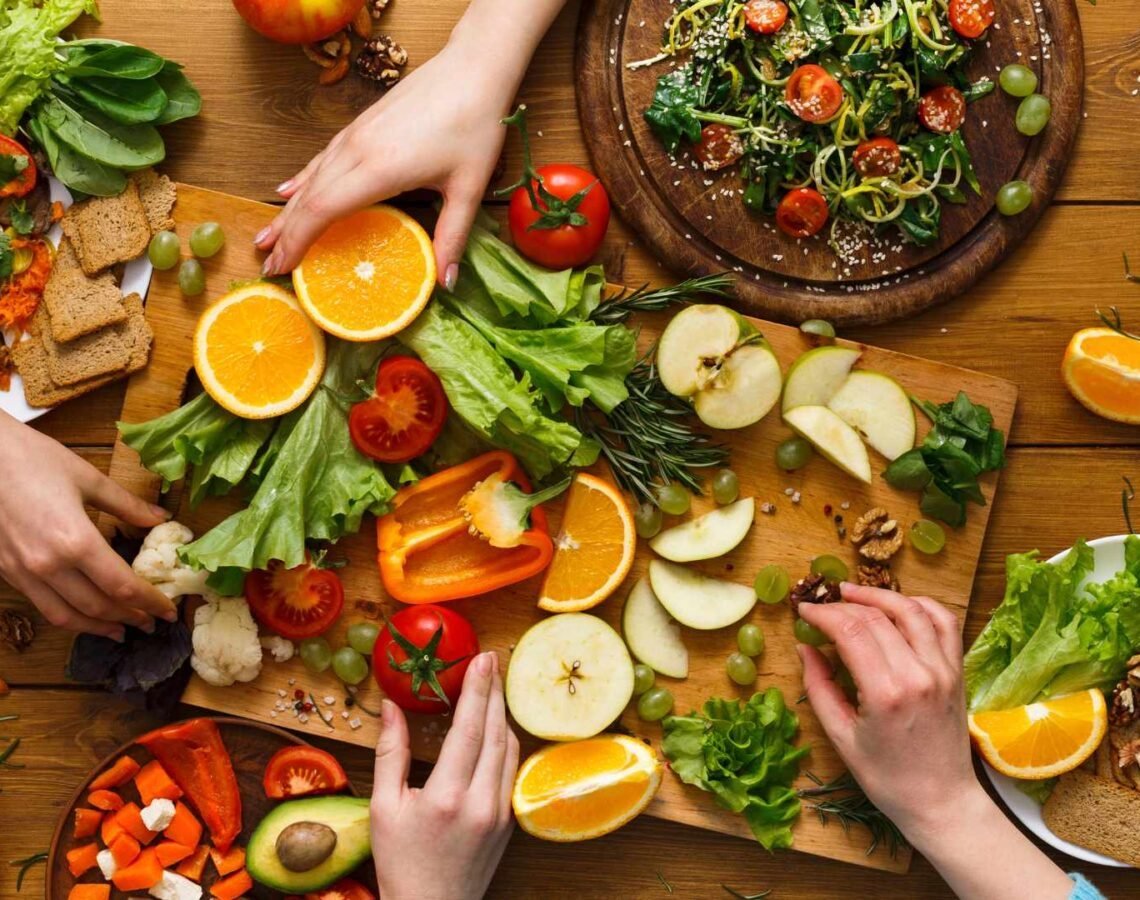
Whether you’re cooking for the family, baking for the end-of-year fundraiser, or bringing a plate to the office Christmas party, catering for everyone’s dietary needs can feel like the real nightmare before Christmas – but it needn’t be! With some forward planning and a few clever swaps, you can serve delicious and healthy food that will keep everyone happy (and full) this holiday season.
Understanding different dietary needs
Gluten-free? Vegan? Diabetic-friendly? Food preferences are as individual as fingerprints – some are due to allergies or medical needs, while others come from cultural, moral or lifestyle choices.
Many festive favourites are high in things like sugar, salt, gluten and fat. But with a few simple swaps, you can adapt most recipes to cater to a range of dietary needs without compromising on taste or texture.
Nut allergies
People with nut allergies must avoid foods containing nuts. Even trace amounts can cause severe reactions in some people, so always check labels and separate nut-free foods from others to avoid cross-contamination. Remember, your guest may not be allergic to all nuts, so it’s best to check with them.
| Avoid: Nuts can often be found in traditional Christmas foods like Christmas pudding and cake, stuffing, marzipan and praline. | Try this: Swap with toasted seeds (pumpkin or sunflower) or try roasted chickpeas or rolled oats for crunch. Nut butters can be replaced with sunflower seed or coconut butter. |
Dairy-free
People with lactose intolerance or milk allergies need to avoid dairy.
| Avoid: Christmas foods like ice cream, creamy sauces, cheeses, creamy desserts and baked goods like cakes and biscuits often contain dairy. | Try this: Swap with olive oil or dairy-free margarine, and use plant-based milks (such as oat, soy, almond or coconut) in baking. |
Gluten-free
People who are gluten-free need to avoid foods containing gluten, which is a protein found in wheat, barley, rye and triticale, so it’s often in things like bread, pasta and beer.
| Avoid: Gluten is often found in baked goods like gingerbread, mince pies, and Christmas pudding and cake, as well as stuffing, breaded foods and gravy. | Try this: Choose gluten-free flour blends or almond meal in cakes, and check food labels to ensure your sauces and condiments are gluten-free. |
Vegan or vegetarian
Vegans don’t eat any animal products (meat, eggs, seafood, dairy, honey), whereas vegetarians don’t eat meat but may eat eggs and dairy. Vegan dishes are suitable for both vegans and vegetarians.
| Avoid: Meat (including fish) and products containing meat, such as gravy or gelatine. Check the ingredients list. Remember that baked goods will often contain milk and eggs, and some pre-prepared vegetables are roasted in animal fats. | Try this: Use dairy-free butter and plant-based milk. Try replacing roast meat with a nut-roast, butternut squash, cauliflower steaks or stuffed peppers. For dessert, you can offer coconut-based cream or yoghurt, or fresh fruit. |
People living with diabetes
Those living with diabetes need meals that balance carbohydrates and lean protein, while limiting added sugars to help manage blood glucose levels.
| Avoid: Popular Christmas foods are often high in fat, sugar and refined carbohydrates. Examples include fatty meats, stuffing, Christmas pudding or cake, pavlova, mince pies, breaded foods, alcohol and sweetened drinks. Starchy vegetables like potatoes, sweet potatoes, corn, parsnips and peas are also high in carbohydrates and can cause blood sugar levels to spike. | Try this: Pair slow-release carbs like wholegrains and legumes (e.g. lentils and chickpeas) with lean proteins (like turkey breast, prawns or lean beef). Opt for non-starchy vegetables, such as cauliflower or green beans. Replace sugary drinks with plain water or soda water flavoured with fresh fruit. For dessert, try low-fat custard with fruit salad. |
Remember to check the food preferences and needs of your guests in advance. Being aware of these is the first step to hosting confidently – and opens up exciting new possibilities for your own palate!
Recipes to inspire
Many classic Christmas recipes are surprisingly easy to adapt for dietary needs. Try to offer your guests choice. For example, a colourful build-your-own salad bar with separate grains, legumes, lean proteins, and dressings on the side (great for gluten-free and vegan guests).
Here are some great recipe ideas:
For dinner with a difference, our partners at the QCWA Country Kitchens program have some fun festive fare. Try these Turkey and Cranberry Burgers (you can swap the meat for tofu to make it vegan-friendly), or this yummy Pumpkin and Chickpea Coconut Curry.

Show your artistic flair with this decorative and healthy Christmas Tree Cheese Platter. It’s easy to mix and match the ingredients to suit your guests.

It’s not just about food. Delicious low-sugar drink options like this Festive Spritz can add some seasonal sparkle!

For more ideas, check out our Festive recipes, which provide healthier choices for everyone at the dinner table, to avoid the post-meal bloat!
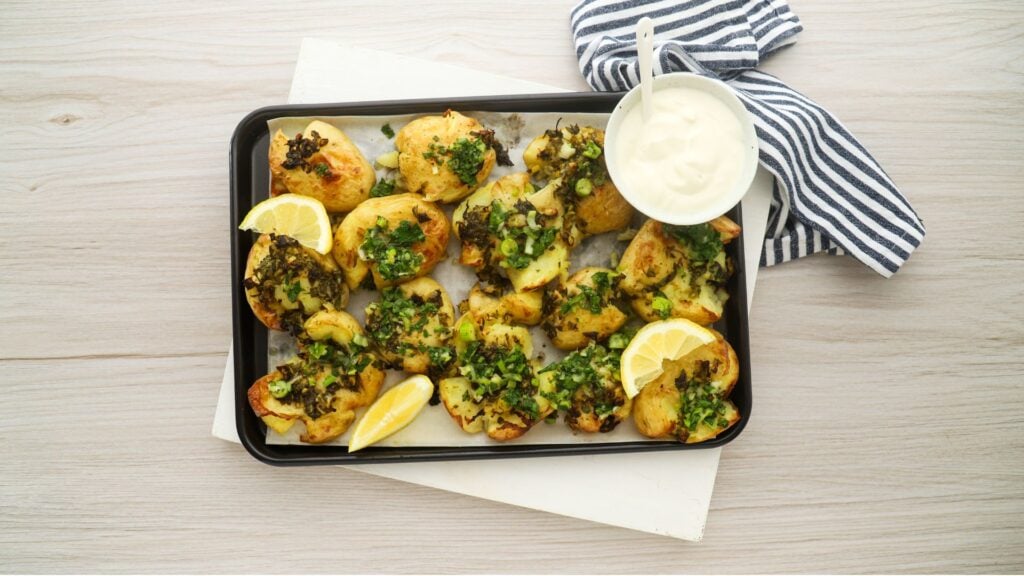
TIP: Use AI to help with menu planning. For example, type: ‘Create a 3-course dinner menu for 5 people with the following dietary needs: vegan, gluten-free, peanut allergy’ and see what it suggests!
Serving safety and satisfaction
Nothing kills a party like an allergic reaction! When catering for different dietary needs, food safety is key.
A few golden rules:
- Label everything clearly (‘contains nuts’, ‘dairy-free’, ‘vegan’) so guests can choose with confidence.
- Use separate utensils, chopping boards and trays for allergen-free dishes.
- Always check the ingredients and information on the product label.
Festive gatherings are about creating an environment where everyone feels comfortable and included. Catering for different dietary needs doesn’t have to be stressful – it’s an opportunity to get creative, experiment with new ingredients, and celebrate with good food that brings people together.
Sources
- Australian Government, National Health and Medical Research Council. (2013). Australian Guide to Healthy Eating. https://www.eatforhealth.gov.au/guidelines/australian-guide-healthy-eating
- Queensland Country Women’s Association (QCWA) Country Kitchens (2025). https://qcwacountrykitchens.com.au/
- Diabetes Australia (2025). Healthy eating for diabetes. https://www.diabetesaustralia.com.au/living-with-diabetes/healthy-eating/
Acknowledgement
This content has been developed in consultation with Health and Wellbeing Queensland’s team of nutritionists, dietitians and community health experts. Always visit your healthcare professional for dietary advice tailored to your circumstances.