

4 ways to build connections to boost your wellbeing

We often think of wellbeing in terms of diet, physical activity, or sleep — but one of the most powerful (and sometimes overlooked) building blocks for a healthy, flourishing life is connection. Connection doesn’t just mean having a big friend-group; it can also mean fostering a deeper relationship with yourself, grounding in your community, or reconnecting with nature. Here are 4 meaningful ways to support your wellbeing by cultivating different kinds of connection.
1. Connect with yourself — cultivate self-awareness and inner harmony
Before we can fully connect with others, it helps to connect with ourselves. This might mean spending time in reflection, journalling, meditating, or simply checking in with how you feel. When you build self-awareness and recognise your needs, values and emotions, you become more grounded. This inner connection1 offers clarity, resilience and a stronger sense of purpose — all of which contribute to long-term wellbeing.
Treating yourself kindly, giving yourself permission to rest, and practicing inward listening2 helps you stay aligned with what matters most, and make decisions grounded in your values.
2. Strengthen bonds with friends, family and community
Human beings are biologically wired for connection. Strong social ties — with family, friends, neighbours, or community groups — are among the most powerful predictors of long-term health and quality of life.
For example, Harvard Medical School3 notes that people with supportive relationships tend to have lower stress levels, better immune function, and improved overall wellbeing.
Similarly, a 2025 study published in BMC Psychology4 found that time spent with friends and the size of one’s social network were positively associated with life satisfaction and a strong sense of purpose.
What this means for everyday life: invest in relationships. That could be regular catchups, group activities, volunteering, or simply reaching out when you feel out of touch. Social support helps lift mood, reduces stress, and reinforces a sense of belonging.
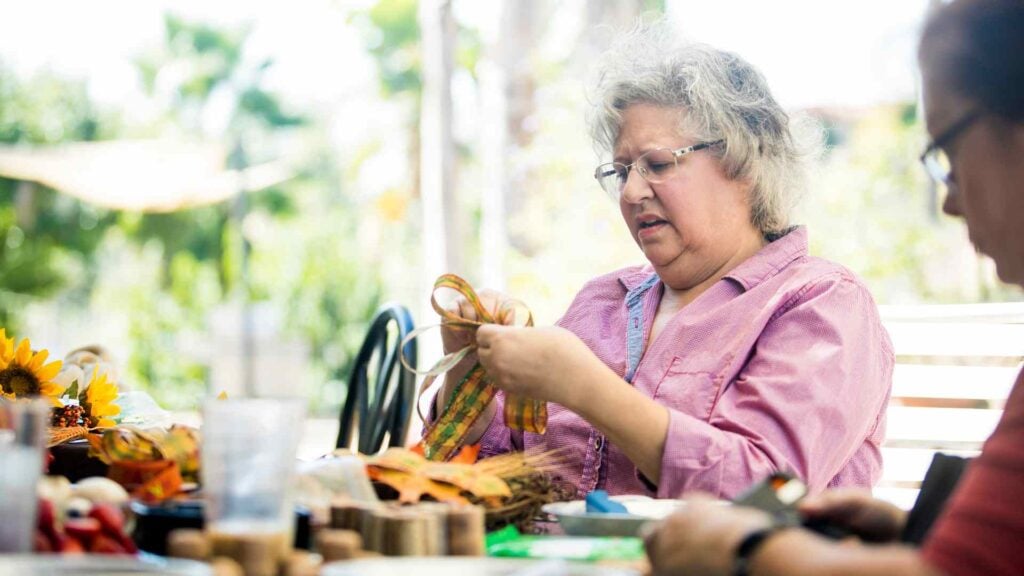
3. Cultivate a sense of community and shared identity
Beyond one-on-one relationships, there’s significant value in feeling part of a broader community. Whether it’s your neighbourhood, a local group, a hobby club, or an organisation — feeling connected boosts emotional stability and resilience.
A study from the University of Queensland found that people who feel connected to their neighbourhood5 report higher overall wellbeing, particularly in areas with fewer resources.
This sense of community doesn’t just provide social support — it offers purpose, shared identity, and opportunities to contribute. Participating in local events, volunteering, or joining interest-based groups can help you feel grounded and supported.
Not sure how to get involved? There are many resources to help you find a community group of interest.

4. Rekindle your connection with nature
Humans didn’t evolve surrounded by concrete and screens. We evolved under open skies, among trees, beside rivers — and our bodies and minds respond when we reconnect with that heritage.
A large review published in Biological Conservation found that both physical time in nature6 and psychological connection to the natural world contribute to improved wellbeing, reduced stress, and greater life satisfaction.
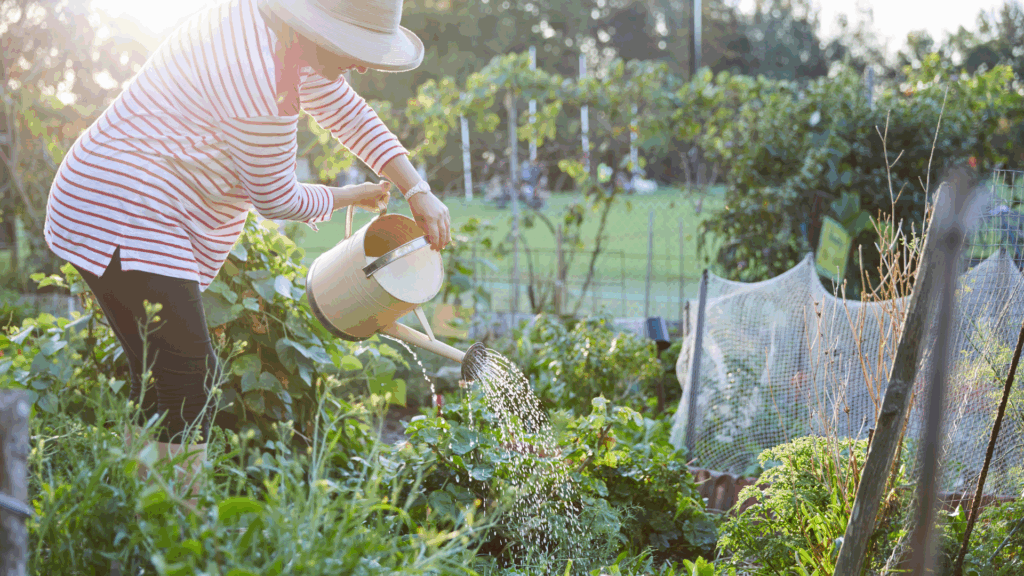
People who feel more connected to nature often report enhanced mood, greater calm, and a deeper sense of meaning. Time outdoors also encourages gentle movement — walking, gardening, exploring — which further supports wellbeing.
Even small acts count: a walk in a nearby park, tending to plants, or simply pausing to appreciate the sounds of nature can help you feel more centred and restored.
Bringing it all together
Wellbeing isn’t just about personal habits — it’s deeply relational. By cultivating meaningful connections with yourself, with others, your community, and nature, you create a strong foundation for emotional balance, resilience, fulfilment and long-lasting health.
Prioritising your wellbeing each day – whether that’s having a thoughtful conversation, participating in a community activity, or having a quiet moment outdoors — all add up over time. As you weave these connections into your life, you build not only better wellbeing but also a richer, more rewarding way of living.
Get more inspiration on how to connect with yourself, others and nature.
Sources
1. Klussman, K., Curtin, N., Langer, J., & Nichols, A. L. (2020). Examining the effect of mindfulness on well-being: Self-connection as a mediator. SAGE Open. https://journals.sagepub.com/doi/10.1017/prp.2019.29?icid=int.sj-abstract.citing-articles.59
2. Quirk, M. (2025). The Dying Art of Listening Inward: What We’re Missing Out On. Psychology Today. Accessed December 2, 2025. https://www.psychologytoday.com/au/blog/mental-health-in-the-workplace/202501/the-dying-art-of-listening-inward-what-were-missing-out
3. Harvard Health Publishing. The Health Benefits of Strong Relationships. December 1, 2010. Accessed November 27, 2025. https://www.health.harvard.edu/staying-healthy/the-health-benefits-of-strong-relationships
4. Mansour, K., Greenwood, C.J., Francis, L.M. et al. The value of social networks for men: concurrent and prospective associations with psychological wellbeing. BMC Psychol 13, 142 (2025). https://doi.org/10.1186/s40359-025-02467-9
5. University of Queensland. Neighbourhood Connection Improves Mental Health. March 21, 2024. Accessed November 27, 2025. https://news.uq.edu.au/2024-03-21-neighbourhood-connection-improves-mental-health
6. Barragan-Jason, G., Loreau, M., de Mazancourt, C., Singer, M.C., Parmesan, C. Psychological and physical connections with nature improve both human well-being and nature conservation: A systematic review of meta-analyses. Biological Conservation. Volume 277(2023). https://doi.org/10.1016/j.biocon.2022.109842.
Acknowledgment
Content developed by Health and Wellbeing Queensland’s team of expert nutritionists, dietitians, and exercise physiologists.